
by Eric Gebrian
 One might think that the first thing to be carefully designed and specified in a net zero building are the systems that produce the most energy: the HVAC and electrical systems. However, experience has taught us that designing to net zero energy consumption is a holistic process that begins early on in the design with the siting of a building and careful considerations of the exterior envelope.
Net zero starts by reducing energy required to operate the building and then producing enough energy during the year to offset the usage. Here are some key considerations when designing a low energy building:
Building Orientation
Orient the building for the best solar exposure:
- Increase glass on south-facing walls with shading for summer, which allows low angle sun in during winter.
- Reduce glass on north-facing walls.
- Keep glass on west and east-facing walls to smaller punched openings.
Building Envelope
Increase thermal performance of walls, glazing and roof significantly above code minimum. Focus especially on glazing.
- Use triple-pane glass, especially for north-facing walls – Optimize visible transmittance/solar heat gain coefficient of glazing for both summer and winter performance.
- Increase wall thermal performance by ~20% above code minimum.
- Increase roof thermal performance by ~20% above code minimum.
- Reduce Air Leakage – Air Barrier: Air will leak past any dissimilar materials. The barriers must last the life of the building. Air barriers can be simple: OSB, plywood, rigid insulation, Tyvek, drywall, etc. The air barrier must be continuous and not tear apart with force.
Building HVAC and Electrical Systems
Net zero HVAC systems are smaller, and generally, smaller HVAC systems cost less to operate. Since a smaller system is needed, more efficient premium systems become more affordable. Below are a few sustainable system strategies to consider when designing for Net Zero:
- All Electric Heating and Cooling
- Net zero building energy systems cannot use fossil fuels, all systems must be electric complimented by solar panels or wind turbines to produce new electricity.
- Use ground water source/air source electric heat pumps for heating and cooling in lieu of fossil fuel fired boilers and furnaces.
- Dedicated Outdoor Air Systems (DOAS) with separate heating and cooling systems
- These systems use total enthalpy energy recovery ventilation with occupancy-sensed demand control.
- Use of water and refrigerant for heating and cooling instead of air. This includes systems such as: VRF, chilled beams, radiant ceilings, radiant floors and geothermal.
- All LED lighting with vacancy sensors, dimming, and daylighting control.
- Controlled receptacles to minimize phantom loads at night.
- Solar hot water and solar walls
- Natural ventilation
- Even mechanically ventilated buildings can use this strategy for part of the year.
- Earth ducts
- A large serpentine run of duct is direct buried on site to pre-cool air by indirect contact with the ground.
Other Building Energy Systems
Net zero buildings aggressively minimize the use of other energy systems within a building beyond HVAC and lighting. Examples of this include:
- Minimize kitchen exhaust hoods
- Minimize process exhaust
- Minimize refrigeration systems
- Where both walk-in freezers and refrigerators are required, situate freezer to open into refrigerator to minimize thermal loss.
- Minimize decorative and theatrical-type lighting.
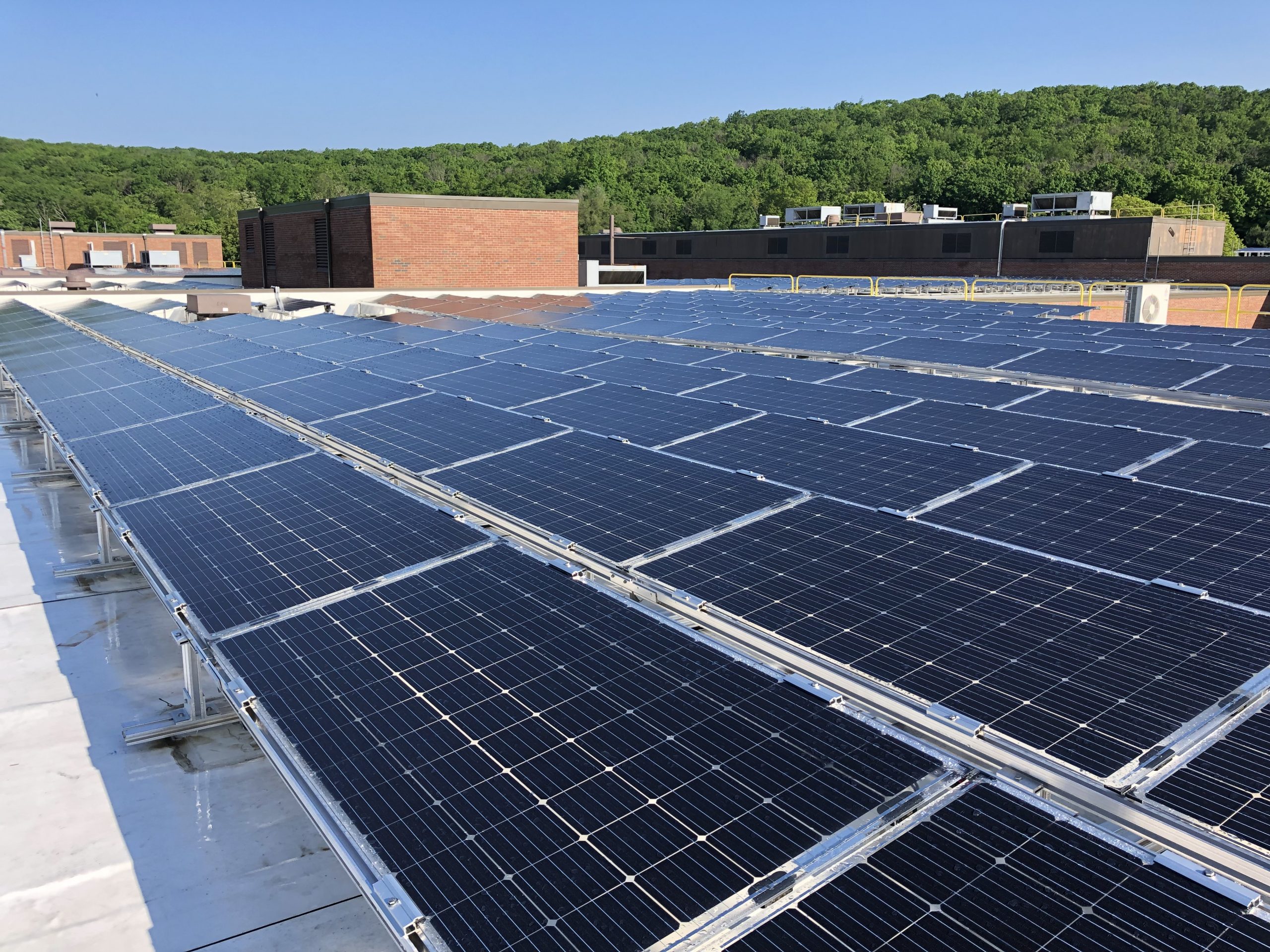
Once you have successfully reduced the energy required to operate your building through the above strategies, you then produce the same amount of energy via photovoltaic panels or wind turbines. These can be mounted on the roof, at grade, or a combination of the two.

Eric Gebrian
Eric Gebrian, PE, LEED AP, is team leader at Consulting Engineering Services.


