High-Profile recently interviewed Connor O’Keefe, audio visual service and design manager at the Joseph B. Martin Conference Center at Harvard Medical School in Boston, and president of the Boston chapter of the Association of Medical Facility Professionals (AMFP).
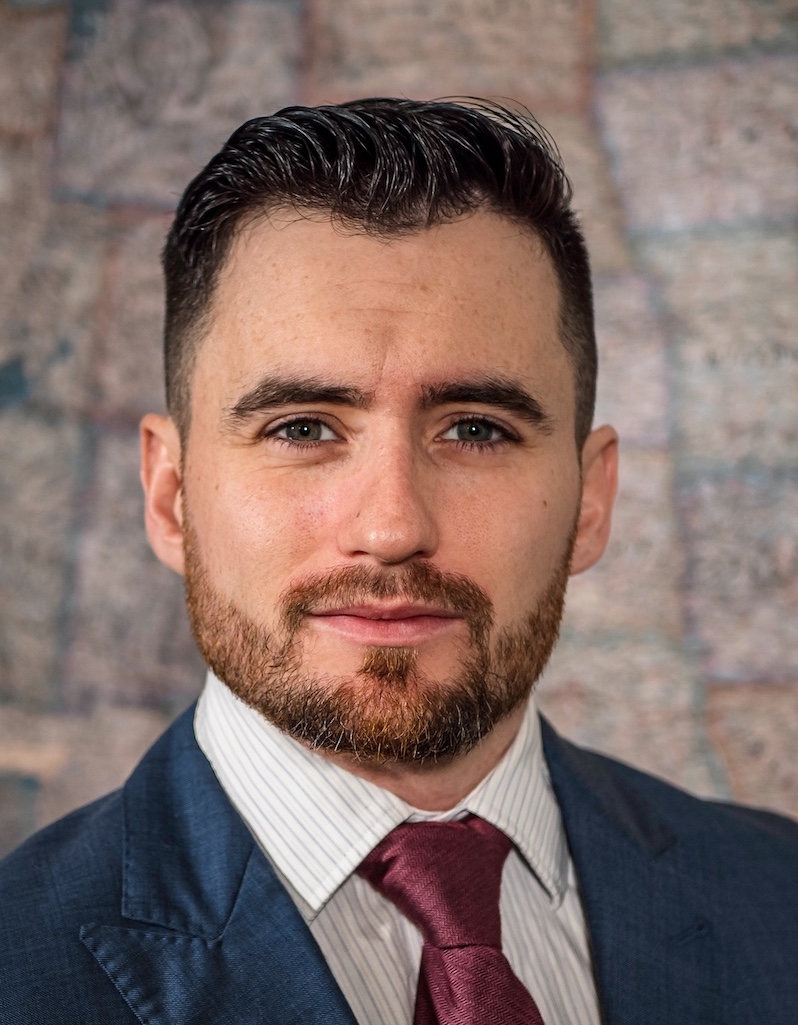
Connor O’Keefe
High-Profile: Can you elaborate on the core mission and vision of the Boston chapter of AMFP, and how it aligns with the overall goals of the national organization?
Connor O’Keefe: The Boston chapter serves an important role in representing a city that is a global leader in healthcare, research, and life sciences. The healthcare and research industry employs about 1/5 of Boston residents spread across 25 hospitals. Our goal is to help connect those in the AEC sectors with the ideas, needs, and requests of everyday practitioners, researchers, and patients. This aligns with the national initiative of connecting peers coast to coast, sharing new ideas and lessons learned to enhance the overall patient experience.
HP: What are some of the key initiatives and projects the Boston chapter is currently working on to enhance the healthcare-built environment in New England?
CO: As a newer chapter, our primary goal is to expand our reach and engage those who could benefit from AMFP. Key initiatives include:
- Sustainability and Carbon Neutrality: Reducing the energy footprint.
- Emergency Preparedness: Designing spaces for the unthinkable.
- Innovative Healthcare Design: Collaborating with AEC partners to create patient-centric spaces.
- Training and Development: Sharing industry insights with designers, builders, and maintainers promptly.
HP: Could you highlight some of the educational programs, workshops, or events that the Boston chapter has organized recently? How have these events contributed to the professional development of your members?
CO: We’ve organized several educational seminars in our short time, including discussions on Boston’s carbon neutrality initiatives, designing flexible spaces, and current behavioral health initiatives within DEI communities. The AMFP board excels in presenting “hot topics” to the Boston community in an engaging manner. Many events offer Continued Education Units (CEUs) for architecture and design members constantly seeking new topics and professional development opportunities.
HP: How does the Boston chapter engage its members and encourage active participation? Are there specific networking opportunities or collaborative projects that have been particularly successful?
CO: Alongside educational events, we also host social hours. Networking sessions are integrated into every event, and we hold dedicated social hours at local hotspots. We pride ourselves on bringing together brilliant minds supporting healthcare in Boston. With a young and diverse crowd, we maintain a constant flow of energy and ideas, making for wonderful evenings with peers.
HP: What are some of the notable achievements or success stories from the Boston chapter in recent years? How have these accomplishments impacted the local healthcare facilities and the professionals who manage them?
CO: We have grown to 70 members in our first year, with every educational event sold out and highly attended. We’ve established a robust network, aiding large-scale projects at Mass General Brigham, Boston Medical Center, Boston Children’s Hospital, Harvard Medical School, and UMass Memorial Health. We are eager to see further growth and participation from our peers in the Greater Boston Area!