Advertorial
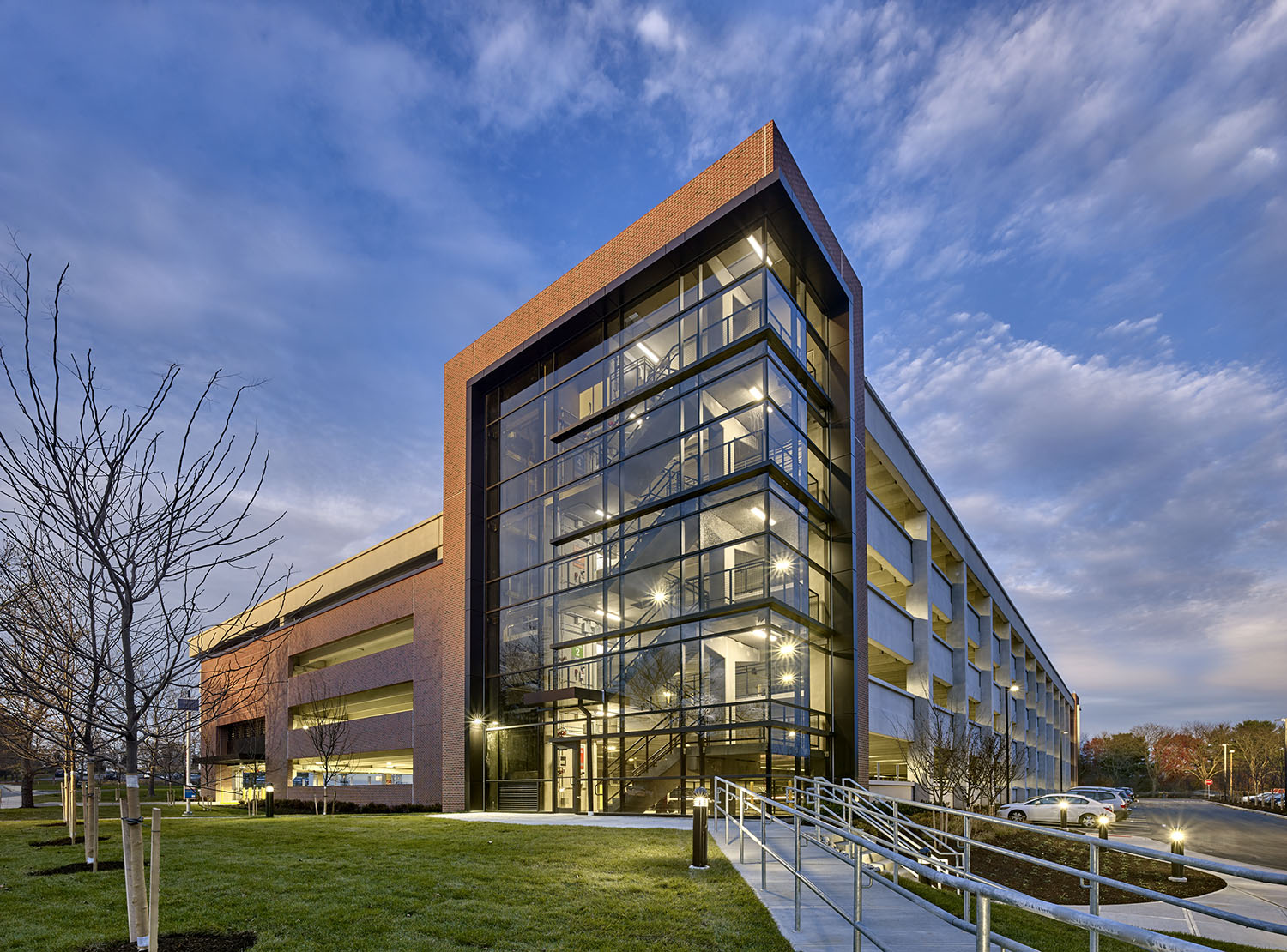
As life science facilities continue to expand and evolve, the need for efficient, safe, and durable construction materials becomes increasingly important. Precast concrete has emerged as a top choice, offering the versatility, speed, and long-term resiliency that these complex projects demand. The parking structure built for Bristol Myers Squibb (BMS) in Lawrenceville, N.J. serves as a prime example of how precast concrete meets the needs of life science buildings.
Speed and Efficiency
Time is often critical in life science construction projects, where delays can impact ongoing research or operations. Precast concrete significantly accelerates construction timelines, as components are manufactured off-site and installed quickly on-site. Dailey Precast, Shaftsbury, Vt., manufactured 599 precast elements for the project, working diligently to meet the critical demand for on-site parking. The entire precast parking structure was completed in just two months, allowing the facility to open a month ahead of schedule. The reduced construction time minimized costs and mitigated site disruption, a major advantage for life science companies working on tight timelines.
Versatility in Design
Life science facilities often have diverse structural and architectural requirements, balancing aesthetics with functionality. Precast concrete’s flexibility allows for custom designs that meet both. The BMS parking structure, with its cantilevered spandrels and thin brick facade, was designed to complement the corporate campus’ modern aesthetic. The roof system was designed with future solar capabilities in mind, planning for the increasing demand for renewable energy solutions. This adaptability makes precast an excellent choice for life science projects, where visual appeal, structural integrity, and sustainability are crucial.
Enhanced Safety and Security
Safety and security are vital for life science facilities, which frequently house valuable research and sensitive equipment. Precast concrete is known for its strength and durability, offering robust protection against everyday wear and external threats. The BMS parking structure features wide egress points, high ceilings, and bright lighting that enhance security and create a safe, welcoming environment for employees. This focus on safety makes precast concrete particularly suited for facilities that require high-security standards.
Long-term Durability
Precast concrete’s low maintenance and long-term durability make it a cost-effective option for life science facilities. At BMS, the precast system was chosen for its ability to stand the test of time, ensuring the structure remains functional and visually appealing for years to come.
The Bristol Myers Squibb parking structure highlights the unparalleled advantages of precast concrete for life science construction. Its versatility allows for seamless integration with various architectural styles, while its inherent strength and durability provide a safe environment for sensitive operations. For life science projects that demand speed, safety, and sustainability, precast concrete stands out as the superior choice.
—
Visit PCI Northeast at http://pcine.org/.