by Lauren Nowicki
Speculation and commentary regarding business life post-COVID has centered on tenant reductions, engagement, long-term design transfigurations and a hypersensitivity towards cleanliness. While ubiquitously viewed as a profound disruption to life, can COVID have a positive impact on business models? If so, which ones will thrive?
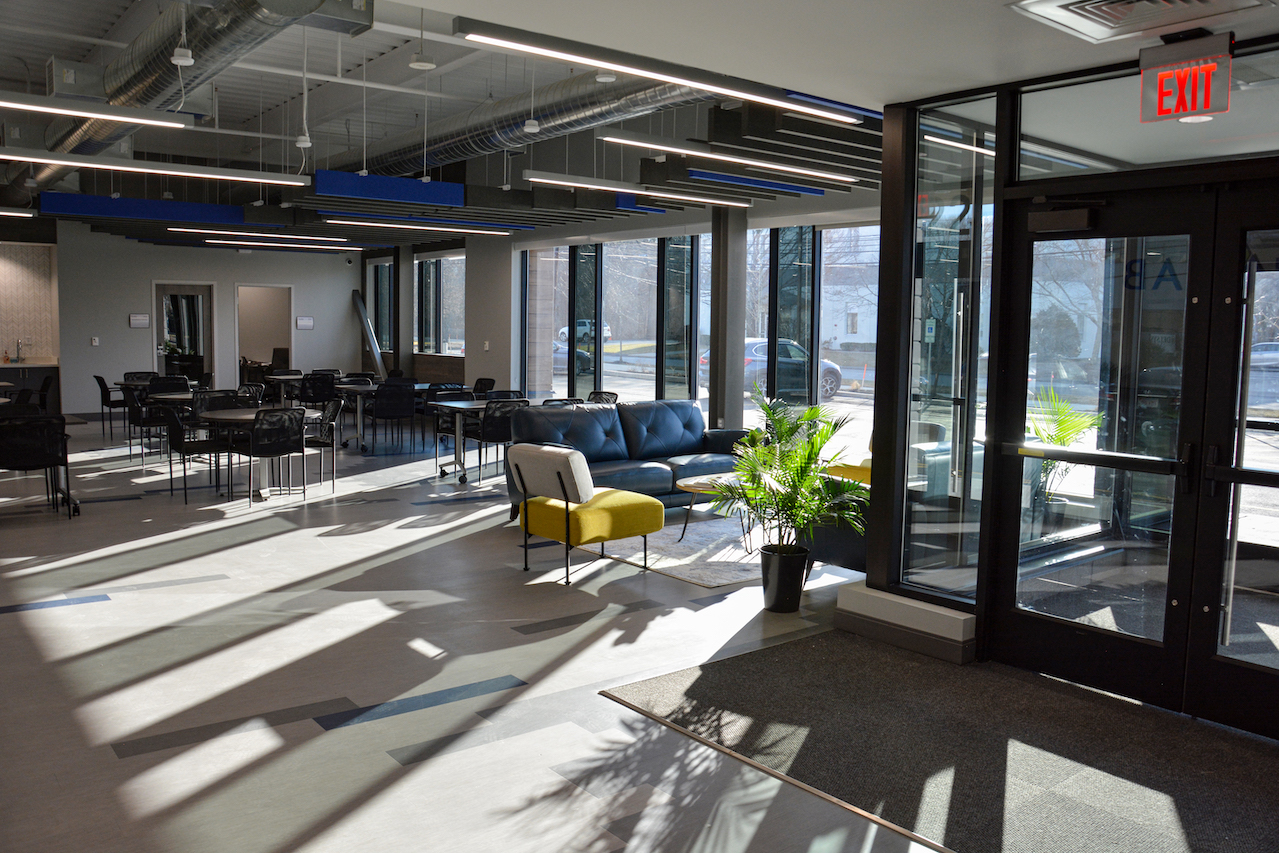
Entryway
Bio-incubators occupy a distinct position within the architectural landscape fostering a variety of laboratory disciplines and stages of development. Navigating change makes bio-incubator business models highly resilient – best practices across financial, operational and structural environments optimize potential while moderating loss from situational factors. Fueled by entrepreneurship, correct support and direction, success can be achieved on a massive scale.
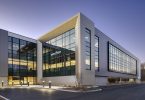
ABI-LAB in Natick is one that is excelling in this market. Consisting of two facilities, ABI-LAB 1 has had a waiting list and ABI-LAB 2 (opened in January) is 70% occupied. Between the two facilities, over 100 jobs have been created. ABI’s differentiation point is a focus on understanding the start-up mindset centered on the process – exploration, experimentation, rapid learnings and failures. Their business model transforms buildings into customized working habitats. ABI is all communal, offering shared equipment, amenities, partnerships and mentorship. With the long-term outlook of offices ambiguous and businesses navigating disruptive cycles, certain inherent aspects of bio-incubators naturally acclimate to the post-COVID marketplace.
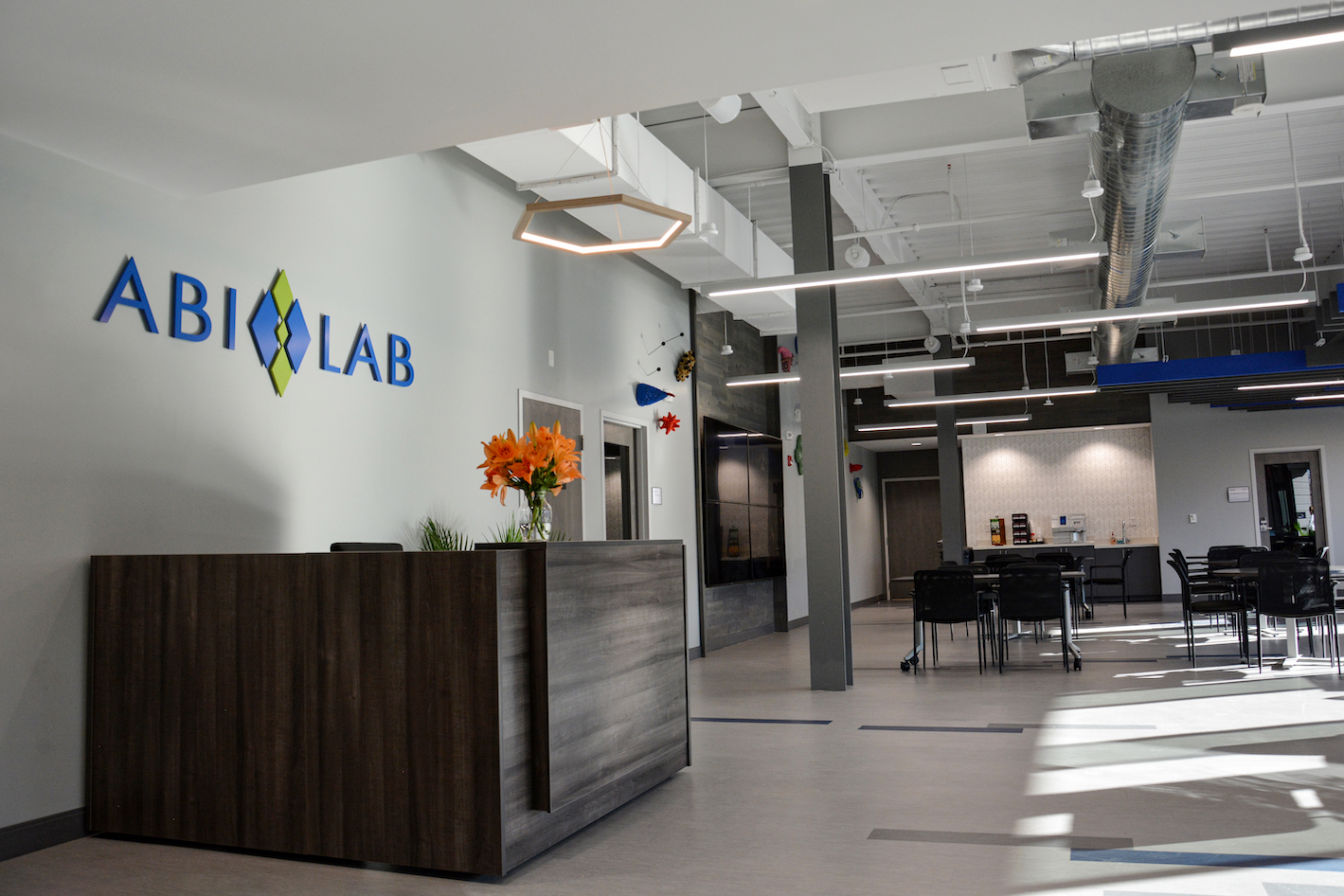
Reception
Costs
An incubator outside of Cambridge averages 30-50% less in rent. ABI-LAB uses a gross one-year lease, encompassing utilities, amenities and access to readily available shared equipment. Monthly savings turn into triple digit return. ABI-LAB 2 tenants have experienced a 62% savings in rent versus Cambridge space, totaling $200,000 annually. Shared equipment constitutes another financial advantage. ABI-LAB 2 offers a reverse osmosis DI system, CO2 system, autoclave room, LN2 fill station and singular PH system, saving tenants an average of three months’ set up time. Larger costs – such as the DI system and autoclave – save tenants $100,000 each.
Place
With cramped lab conditions and timed lab entry to enforce social distancing, tenants seek greater space, uninhibited conditions and an attractive environment to validate to potential investors money well spent. Suburban bio-incubators offer this, alongside expansive workspace, flexible environments and scalability. Parking replaces public transit systems, offering shorter and safer commutes.
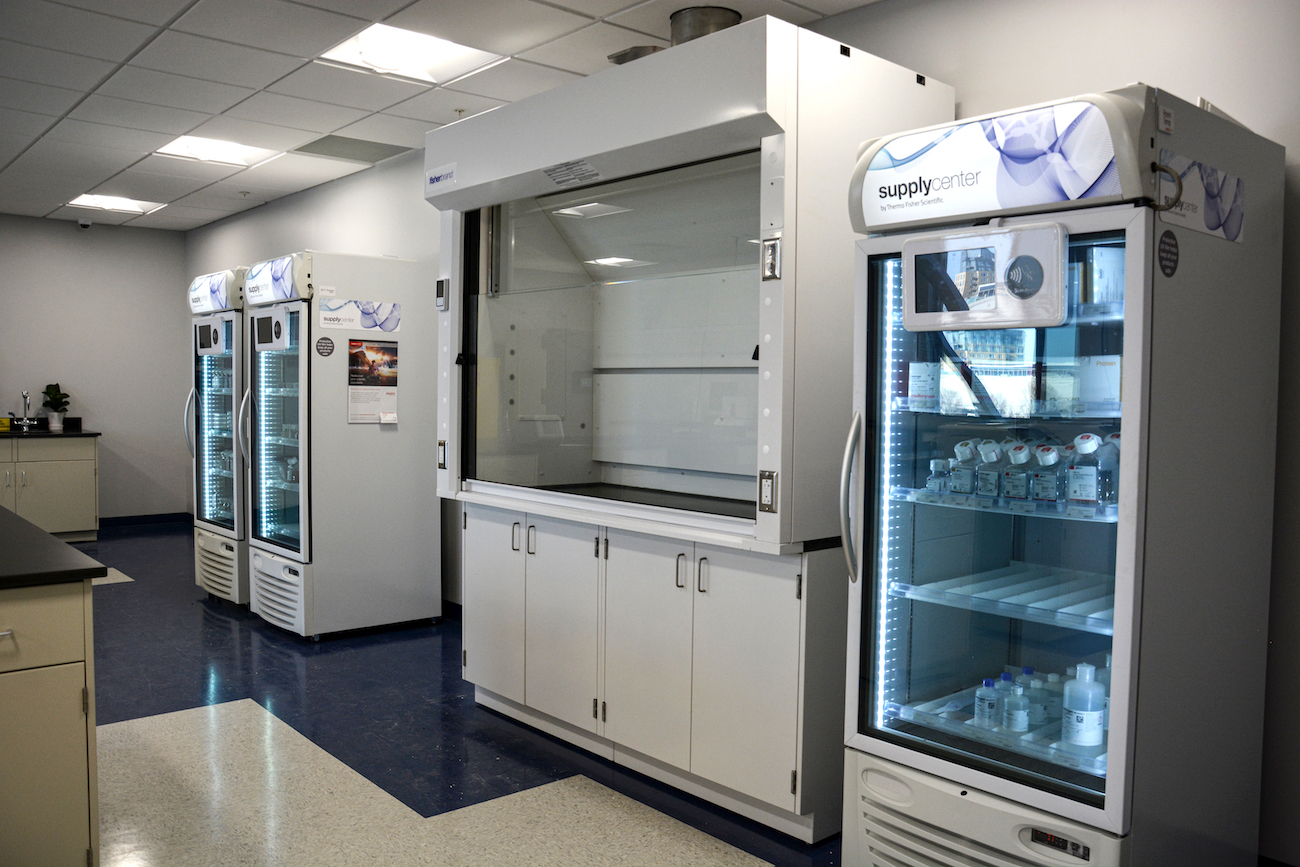
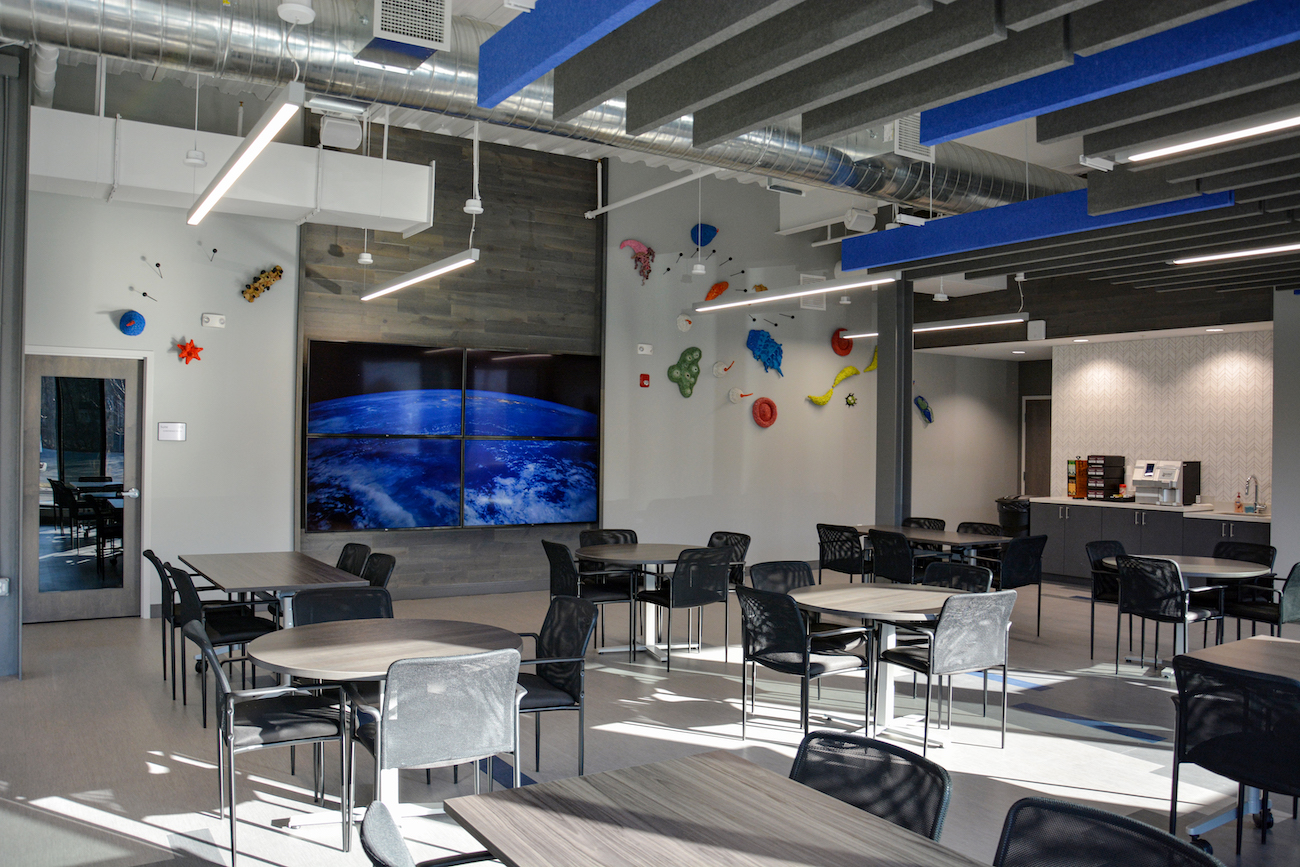
Common lab
Potential
Regardless of short- or long-term growth, access to professional mentors is an invaluable investment in bringing ideas to fruition. Strategic partnerships, financial guidance, legal services and idea exchanges augment development, raising industry exposure and knowledge. However not all bio-incubators are equally scalable. Those with the highest potential are marked by partnerships with leading medical firms. ABI-LAB 2 shares with its tenants a congruence of values fostering quality research with quality product. Thermo Fisher Scientific and Eppendorf are partners supplying the communal labs, enabling tenants to begin research day one.
Private vs State Funding
Currently MA receives 10% of all NIH funding totaling $28B. State funded bio-incubator labs such as MBI and LabCentral benefit from state support via Deval Patrick’s $1B life sciences bill and Charlie Baker’s Life Science Bond Bill. This legislature supports workforce development, biomanufacturing and early stage science. Yet there is a hidden challenge to state funded labs – tenancy is limited to 12-18 months to demonstrate results. This seemingly works against fledgling life science entities. “In the start-up model, there are several cycles punctuated by data generation and fundraising. In a process that averages 8-10 years before FDA approval and commercialization, a brief tenancy in a state funded location doesn’t allow for the science to come to fruition,” explains Gary Kaufman, COO of ABI-LAB. “Great science takes time.”
Lauren Nowicki is director of marketing at Dacon Corporation.