• Twitter
  • Facebook
  • Instagram
  • Linkedin
  • YouTube
  • RSS
  • Sign In
  • My Account
High-Profile MonthlyThe Source for AEC Industry News
  • All News
      • Up Front
      • Groundbreaking
      • Topping Off
      • Ribbon Cutting
      • View All Up Front Stories
      • StMarysBank_NorthBranch_ToppingOffNorth Branch Construction Celebrates Topping Off for new St. Mary’s Bank Branch
      • Special Features
      • Contributor
      • Green
      • J.E.D.I.
      • Mechanical / Electrical / Plumbing (MEP)
      • Vision
      • Women In Construction
      • Regions
      • Connecticut
      • Northern New England
      • Popular Sectors
      • Cannabis
      • Corporate
      • Education
      • Healthcare
      • Interiors
      • Landscape/Civil
      • Life Science
      • Multi Residential
      • Restoration/Renovation
      • Retail/Hospitality
      • Senior/Assisted Living
      • Technology & Innovation
      • Other News
      • Awards
      • Community
      • COVID-19
      • Mixed-use
      • Municipal
      • National/International
      • Organizations and Events
      • People
      • Philanthropy
      • Products and Services
      • Real Estate
      • Training and Recruitment
  • Subscribe
  • Next Issue
  • Archive
  • Advertise
  • Podcast
  • A/E/C Associations
  • Calendar
High-Profile Monthly
  • All News
      • Up Front
      • Groundbreaking
      • Topping Off
      • Ribbon Cutting
      • View All Up Front Stories
      • StMarysBank_NorthBranch_ToppingOffNorth Branch Construction Celebrates Topping Off for new St. Mary’s Bank Branch
      • Special Features
      • Contributor
      • Green
      • J.E.D.I.
      • Mechanical / Electrical / Plumbing (MEP)
      • Vision
      • Women In Construction
      • Regions
      • Connecticut
      • Northern New England
      • Popular Sectors
      • Cannabis
      • Corporate
      • Education
      • Healthcare
      • Interiors
      • Landscape/Civil
      • Life Science
      • Multi Residential
      • Restoration/Renovation
      • Retail/Hospitality
      • Senior/Assisted Living
      • Technology & Innovation
      • Other News
      • Awards
      • Community
      • COVID-19
      • Mixed-use
      • Municipal
      • National/International
      • Organizations and Events
      • People
      • Philanthropy
      • Products and Services
      • Real Estate
      • Training and Recruitment
  • Subscribe
  • Next Issue
  • Archive
  • Advertise
  • Podcast
  • A/E/C Associations
  • Calendar
Contributor • Restoration/Renovation

Getting the Credits You Deserve

January 23, 2024
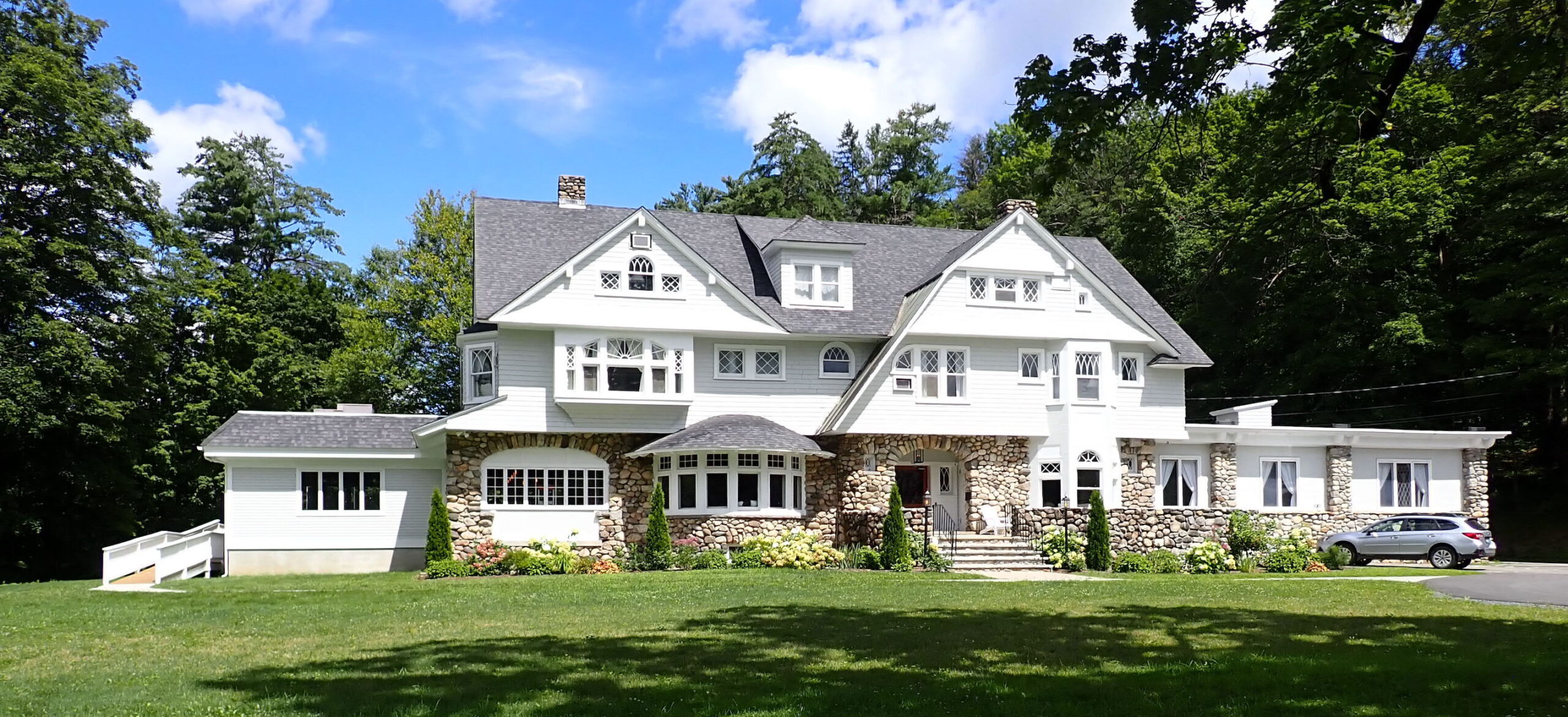
Harkness House in Springfield, Vt. historically served as an inn and, in late 2023, was successfully rehabilitated with updated building systems and other updates, allowing it to continue to serve as an inn. / Photos by Epsilon Associates

by Brian Lever

Every year, hundreds of projects around New England benefit from state and federal historic tax credits. From small-scale facade restorations to large mills being rehabilitated into housing or other uses, you have probably seen them without thinking about how they are funded. Since 1976, the federal government has provided billions of dollars in historic tax credits to incentivize the rehabilitation of historic buildings with nearly 50,000 projects across the country benefiting to date. Since the early 2000s, states across New England have followed suit creating their own programs, with some adding extra bonuses for affordable housing creation or projects in opportunity zones. State credits vary from state to state but typically provide 20-25% of qualified construction costs in state tax credits, while the federal government provides a flat 20% tax credit on qualifying hard and soft costs. Every state in New England has a state historic tax credit except for New Hampshire, which may soon. Taken together, these programs and other tax credits like solar, brownfield and affordable housing tax credits provide the incentives often needed to attract redevelopment of challenging properties. Reducing project costs through mixing and matching credits or taking all possible credits is always a possibility.
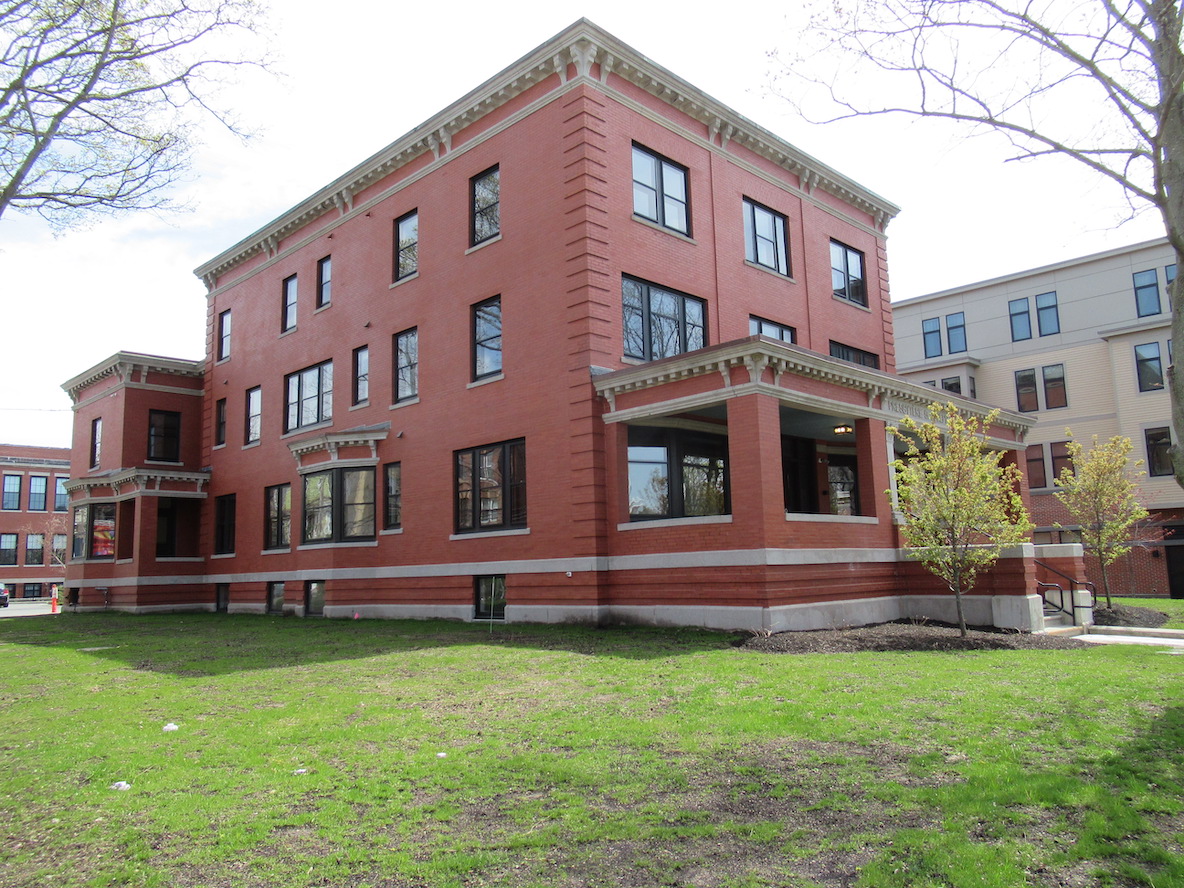
The Saint Joseph Roman Catholic Church rectory in Salem, Mass. was successfully converted into 13 units of market rate housing in late 2023.

The state and federal historic tax credit programs have similar basic requirements: The building has to be income producing – it could be a museum that charges an entry fee, a business, or rental property, among other uses. The building has to be historic, meaning either listed in the National Register of Historic Places or determined eligible for listing. Many buildings are or can be determined eligible for National Register listing upon proper documentation. Finally, the rehabilitation needs to comply with the Secretary of the Interior’s Standards for Rehabilitation of Historic Properties (the Standards). Meeting the Standards is determined through an application process to the State Historic Preservation Office (SHPO) and National Park Service (NPS), who review existing conditions and detailed proposed plans.

Often people ask, what I am going to do with the credits? A $5 million rehabilitation project generating upwards of $2-2.25 million in federal and state tax credits can be more than many people can use to offset income taxes owed. This is where selling or syndicating the credits come into play, where you partner with an investor who pays you cash in exchange for the credits such as a bank, utility or insurance company, or even a private investor. This means that even nonprofits who may not pay income taxes can benefit.

From carriage houses to apartment and industrial buildings and even libraries and cultural facilities, any type of historic building can qualify. Aside from historic preservation, the historic tax credit programs are an economic development benefit and job creator. Successful tax credit projects include affordable housing, mixed-use, commercial buildings, market rate housing, health centers, manufacturing centers and movie theaters, among other uses. Historic tax credits have provided vital funding to make these projects happen, enlivening downtowns, preserving historic buildings, and enriching community life in cities and towns.

Brian Lever

Brian Lever is associate – Preservation Planning at Epsilon Associates.

historicrestoration HPNews
    FacebookXLinkedInEmail

You may also like

Contributor

Ask the Electrician: What are the...

January 8, 2025
Multi Residential • Restoration/Renovation

Ribbon Cut for $4.5M Transitional...

January 6, 2025
Contributor

What’s Next for Construction in...

December 30, 2024
Contributor

Strengthening the AEC Community: A...

December 27, 2024
Contributor

Boston’s Commercial Real...

December 26, 2024
Contributor

Choosing a B2B PR Agency: Why it...

December 19, 2024
Contributor

A/Z’s 2025 Strategic Growth...

December 18, 2024
Mixed-use • Northern New England • Restoration/Renovation

Renovation Completed for 35,000sf...

December 4, 2024
  • Gray.png
  • Pedigree.png
  • PWC.png
  • INterstate.png

HIGH-PROFILE MONTHLY
615 School St.
Pembroke, MA  02359
Phone: 781 294 4530
Fax:  781 293 5821
info@high-profile.com

Quick Links

  • About Us
  • Contact Us
  • Subscribe
  • Advertise
  • My Account

Stay Informed

Sign up for Fast Facts Friday, our weekly e-newsletter, and stay up-to-date with the latest industry news!

Sign up
Subscribe to High-Profile Monthly to receive an email notice of each new article!
Loading

Copyright © 2026 High-Profile Monthly.

  • Twitter
  • Facebook
  • Instagram
  • Linkedin
  • YouTube
  • RSS
  • Sign In
  • My Account