
by Katie Archard
As designers for life science clients, we always want to know more about the changes they see in their industry, workplaces, and current priorities. Pharmaceutical, biotech, and other life science companies are global entities, constantly responding to a rapid, highly competitive pace of change and improvement. It helps us when we know what they face and how we can help.
With this objective in mind, we invited a few of ARC’s life science clients to join us and their peers in an open-ended conversation about their fast-changing workplaces, the first of a planned series.
The virtual session was an opportunity for the clients to exchange information and ideas with their peers. For us, it provided valuable insight into their current thinking and decisions regarding the post-pandemic working environment. Participating clients included Bristol Myers Squibb, MilliporeSigma, New England Biolabs, and Sanofi. Discussion topics included:
- Return to the office outlook, policies, and lessons learned to date
- Space standards for laboratory and office environments
- Equity considerations for remote work arrangements
- Office occupancy patterns and space management plans
- Recruitment and retention priorities and opportunities
The conversation was open-ended, allowing for candid, extemporaneous dialogue among the group. The clients took the opportunity to hear what their peers were doing, especially with return-to-work approaches. Among the takeaway themes:
- Participants discussed the importance of establishing workable guidelines for return-to-work and remote work, but many expressed their reluctance to set a policy “mandate.”
- Equity in approaches was a big topic, including how to address the varying needs among employees, especially the flexibility differences between scientific and administrative staff.
- Importance of demonstrating genuine empathy and interest in learning from people’s back-to-the-office experiences. “It starts with seeing people and responding to family responsibilities.”
- Need for establishing new space standards to support new working styles while recognizing that standards will need to evolve and be flexed/flexible over the coming months and years.
As in every industry adapting to post-pandemic expectations, life science leaders face unresolved challenges. Advice for handling these flowed in a lively back-and-forth during our conversation. What’s clear from everything we heard is how this is an opportune moment to humanize the workplace in new ways by beta-testing new ideas and continuously learning from employee feedback.
Among the practical takes shared by the participants is the opportunity now to create “neighborhoods” and assign locations based on employee preferences. Employee involvement and communication are essential to achieve a sense of ownership and equity around these decisions. “If they are engaged and involved, they see and appreciate that they have a voice in the decision,” one client pointed out. Another observation is how employees’ smartphones will become the de facto tool for managing and scheduling everything – seating assignments, room scheduling, lockers, etc. – via a company-created app.
For ARC, we learned that, beyond metrics, there is a high level of interest in being responsive to the specific workplace needs of staff based on firm culture and evolving desires around work/life balance. Clients want to know what their peers are doing effectively and what are the lessons learned. We were also reminded of a common-sense takeaway: If you want to know what’s on the mind of your clients, why not ask?
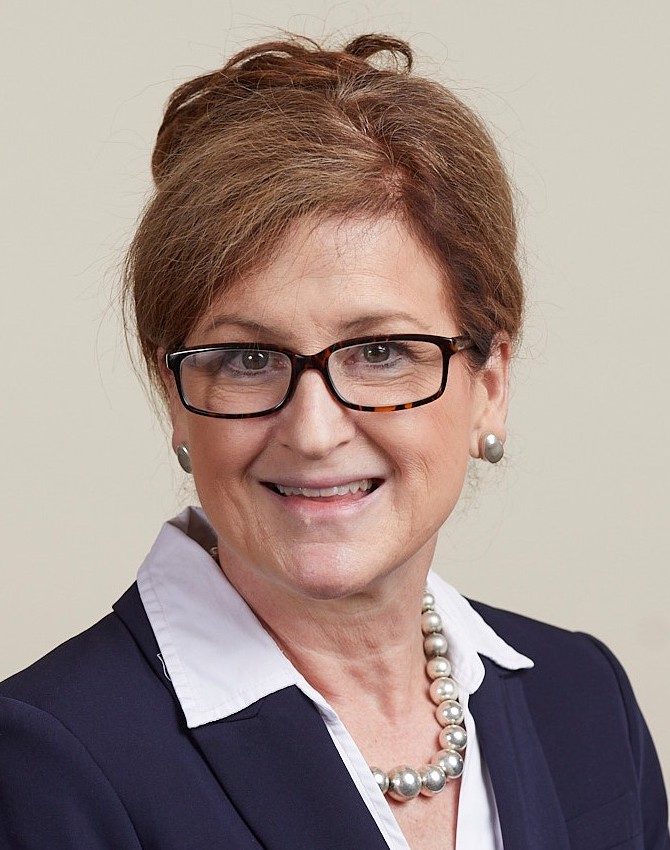
Katie Archard
Katie Archard, AIA, LEED AP BD +C, is an architect and associate principal with ARC/Architectural Resources Cambridge. She can be reached at karchard@arcusa.com.