by Blasdel A Reardon
A Decade of Change for AEC: 2007–2017 and beyond
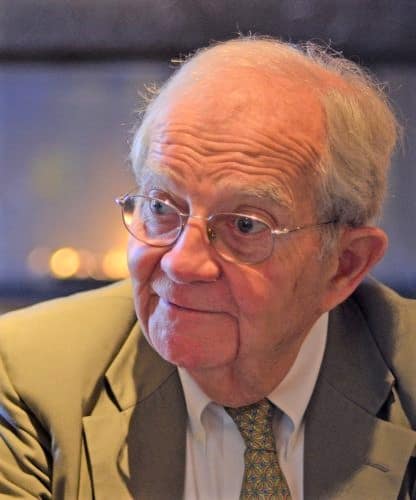
Blasdel Reardon
Recently the editors of High-Profile Monthly asked me to reflect on some comments I made about the AEC industry 10 years ago, when this publication was marking its 10th anniversary. Could I, they asked, take another look back at how far we’ve come in the last decade? My 2007 article focused on Boston’s Seaport District, and specifically the Federal Courthouse. Today, as this publication celebrates its 20th year in print, the Seaport District is again a superb case study of what has changed, and what has not, in our industry.
The following observations apply to many facets of our work – including the ownership, design, construction, and maintenance of commercial, multi-family, healthcare, and education facilities as well as civil construction for transportation and utilities. Some hold equally true in other parts of the country, but I’ll use the New England market as my point of reference. And I’ll draw on my background in civil and systems engineering, specialty trade contracting, mediation, and Lean coaching. I hope readers with other areas of expertise will write in to share their insights too.
Let’s start with the good news.
- Faster Pace: If we thought the AEC market was busy in the late 90’s and early 2000’s, today it’s even busier. Count the number of cranes overhead and it’s clear that the Great Recession is behind us. Or look at the number of public hearings, permits needed, evolving housing needs, educational changes, environmental goals and restrictions, healthcare techniques and facilities, our transition from manufacturing to an innovation economy, and our crumbling public infrastructure – highways, airports, water treatment plants, and freight and passenger railroads. All of these conditions point to significant AEC growth, at least in Boston, for the immediate future. Amazon’s plan to move 900 employees – innovators, not manufacturers – to the Seaport District should erase any lingering doubts about the industry’s prospects.
- Safety First: In 2007 it was evident that job safety had improved over the previous decade, but that was mild compared to these past 10 years. Policy has turned to action. At a meeting I facilitated in 2013, a foreman remarked: “To me, safety means no band-aids”. How focused! And how progressive!
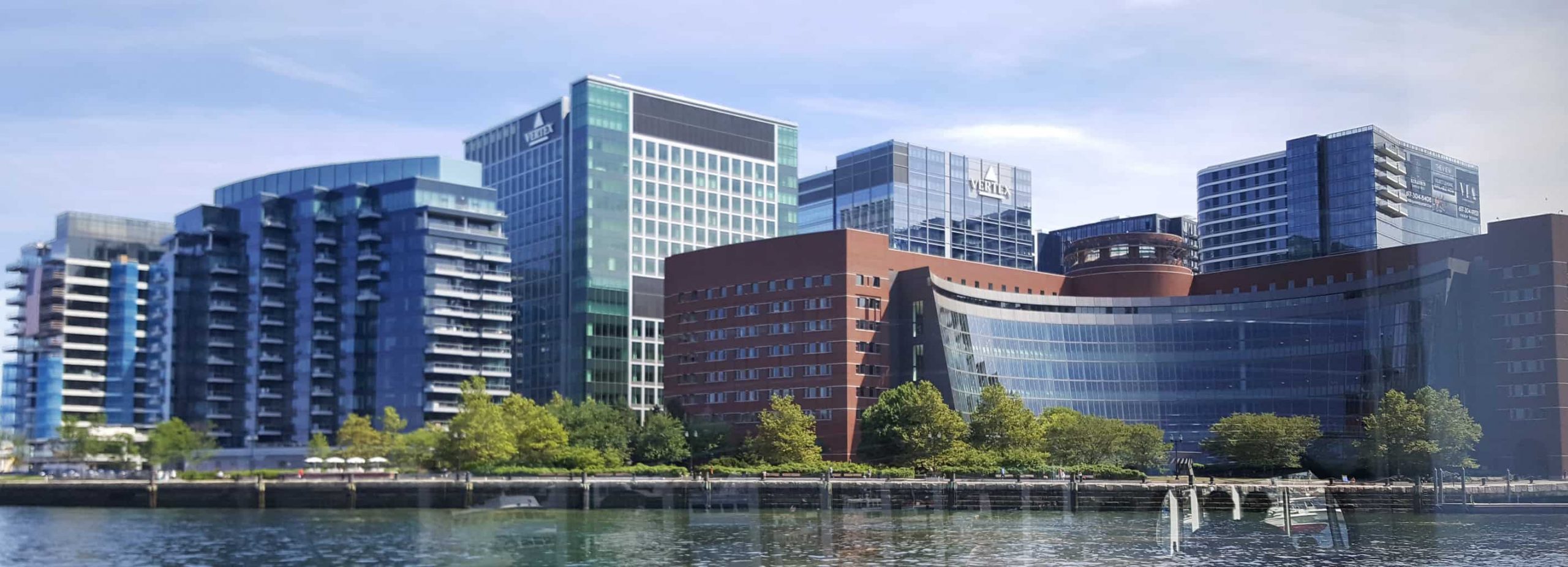 Boston Seaport District 2017 from Boston HarborTechnological Change: Look at the varied aesthetics and designs in the Seaport District. From the facades alone it’s clear that computers and lasers are now integral to the way we design buildings and infrastructure. Technology is transforming the way we coordinate design with reality (think BIM); use materials and workplace tools; rely on robotics to optimize material handling, placement, and testing; manage projects at all levels (think scheduling and CPM techniques); and use handheld devices to measure and record progress.
- Transparency and accountability: Today I see wider acceptance and appreciation for permitting, quality control, inspection, commissioning, and sustainability. Once viewed as necessary evils and barely tolerated, these functions and goals are increasingly treated as routine and useful elements of the AEC process.
Now the bad news.
- Risky business: The old adage still holds: A contractor or design firm, regardless of size, is just one job away from bankruptcy. Why, then, do we engage in AEC, an industry where every project is unique, where cash flow is painfully slow, and where profit margins are vanishingly thin? The answer may be in our DNA. Some people thrive as ministers or medical practitioners, others as researchers or teachers. We architects, engineers, and tradespeople just love to build.
- Too little talent: The shrinking supply of skilled designers, engineers, administrators, and craft laborers holds frightening implications for AEC. We faced the same problem a decade ago. The industry’s image, competing professions, lack of public leadership, and the demise of vocational training continue to drain the talent pool. This spells trouble for our industry at a time when the nation needs us more.
Still, there are glimmers of hope. Look again to the Seaport District. Once a bleak patch of rail yards and parking lots, it’s been on the rise since the 90’s – starting with construction of the Federal Courthouse. Then came the Seaport Hotel, the World Trade Centers East and West, and the gleaming Boston Convention and Exposition Center. The neighborhood is a great example of radical but sensible change.
It’s time for the AEC industry to embrace a similar kind of transformation. To counter the challenges of high risk and insufficient talent, we need to boost our productivity at all levels – from permitting and design to construction, inspection and commissioning. We’ve tried before – with new approaches like design/build, partnering, and total quality management – but have always fallen short. Why?
Two deeply rooted cultural forces are at play. First, too many among us believe that our business is inherently adversarial, an attitude reflected in our contracts and working relationships. I reject this premise. Have we forgotten that teamwork is the most successful and satisfying way to complete a project? Do we not share many common goals – among them profit, quality, personal income, safety, on-time completion, and being good neighbors? Why, then, are we so quick to assume an adversarial posture? Yes, we grudgingly cooperate as players on this stage, but do we truly collaborate? There is a big delta between these two MO’s.
The second cultural problem is lagging productivity. It’s abominable how much time is lost, mainly before construction begins but also once it’s underway, due to failures in defining expectations early, due diligence, document flow, decision making, procurements, payments, and lack of production planning. These lapses waste time on site, frustrate project participants, and drive up costs.
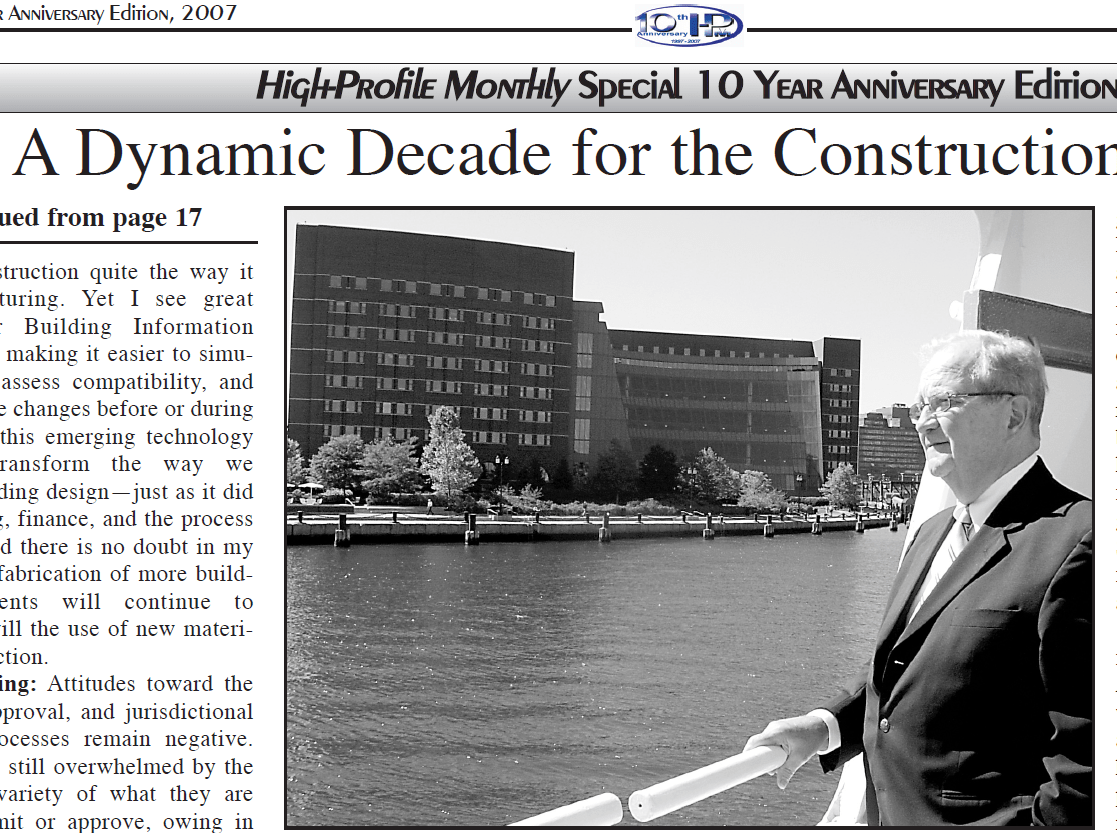
Blasdel Reardon’s 10th anniversary article provided an overview for 1997 – 2007.
As with the Seaport District, where change came slowly and then quickly, the AEC is due for a metamorphosis. We must adapt our ways within the office and on site. One promising option is to embrace Lean for Design and Construction, as the auto and airplane manufacturing industries have done. The Lean principles, process, and tools seek to eliminate wasted effort and time, put a focus on work of value, emphasize respect, and encourage constructive dialogue. We need nothing less.
If Boston’s Seaport District could become a place where innovators are clamoring to work, our industry can do the same. The Seaport’s transition hinged on vision, leadership, and a willingness to take risks. It’s time to pull together and chart a similar path for AEC.
Blasdel A. Reardon is Lean Construction Consultant at Strategic Enterprise Technology Inc. in Boston