High-Profile: Can you share a bit about your background and how you got started in the construction industry?
Meghan Petruzziello: I grew up in Malden, Mass. and received a bachelor’s degree for marine safety and environmental protection from Massachusetts Maritime Academy. I first got started in the construction industry with an internship during college with Veolia. I worked at the Kendall Power Plant in Cambridge, Mass. as a safety intern. From there I received a job offer from Turner Construction before graduation and I have currently worked with Turner for five years. My passion for construction comes from my family because most of them were union workers in the city. I am the first generation of my family to receive a college degree and have focused my career on creating a difference within the construction industry to make jobsites a better experience and safer place for our trade partners.

Meghan Petruzziello
HP: As a project safety manager, what are your primary responsibilities and what does a typical day look like for you?
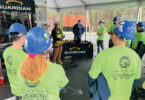
MP: As a project safety manager, my primary responsibilities are to manage the health and safety on the jobsite, logistics planning, and onboarding/educating workers. My typical day starts with a sitewide stand down where the whole job comes together. The on-site wellness coach and I lead stretches to engage the workers and prime their muscles to reduce the risk of strains and sprains. Throughout the day, I do my site walks to ensure work being done is safe, check in with the workers to see if they need anything, and work with our superintendents to plan work and meet the needs of our client’s asks. A big part of my job description that is becoming more typical is the mental health work I do with our trade partners. As a safety manager, I also help workers access their benefits for mental health and recovery resources for either themselves or their loved ones. At Turner, we are continuously putting more effort and time into caring about our trade partners’ physical and mental health. What is going on inside the hard hat is extremely important to get to a level of total care and safety for an individual on a jobsite.
HP: What are some of the biggest challenges you face in ensuring safety on construction sites, and how do you address them?
MP: Construction is constantly changing, and in the northeast region we have complexly designed buildings with tight logistics and aggressive schedules. The biggest challenge I typically face is making sure everyone is communicating properly at all levels. Communication is key to ensuring a safe job and creating a positive community. My approach as a safety manager is to be firm but fair and empathic with individuals. If a safety concern or issue arises it needs to be addressed seriously. I constantly remind people when faced with challenges on the job that safety policies are put in place to protect them so they can leave work and go home to their loved ones.
HP: How has your experience as a woman in construction shaped your approach to your role and interactions with your team?
MP: As a woman in construction my experience has been very positive, and I would encourage more women to join this field. My position in this industry has shaped my approach because I typically handle difficult or emotional conversations which has led me to have an empathic approach. As a safety manager, I handle my approach as the conscious of the job because it is my main priority to ensure the workers have an inclusive safe work environment and return to their loved ones every day.
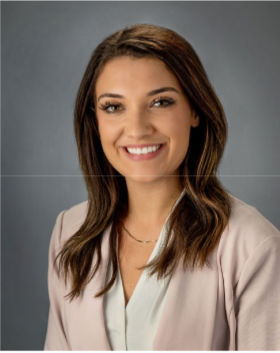
Meghan Petruzziello
HP: Can you highlight a specific project or initiative you’ve worked on that you’re particularly proud of and explain why?
MP: I am currently helping Turner elevate our wellness program. This wellness program focuses on physical and mental health, suicide prevention and recovery in the workplace. Turner has been organizing trainings to help our team respond to mental health crises that may arise on job sites. Each mainstream project has a full-time wellness coach that is a resource for every worker to help them with any injury, post care, physical therapy, and nutrition. We also created a Peer-to-Peer Support team that is designed to be a proactive prevention and early intervention framework, which helps to increase awareness of mental health challenges while decreasing the stigma. A lot of these programs and ideas have come from partnering with the Massachusetts Building Trades Recovery (MBTR) Council. The connections I have made with the MBTR Council have been extremely beneficial in educating myself and hearing what the members’ needs are. Turner’s wellness program is what I am most proud of in my career so far. Working for a company that is encouraging our team to make a change and help individuals that are struggling is very fulfilling for me. Construction in Boston is like no other, from the complex design of the buildings to the complex mental health of the individual worker on the site. We need to keep advocating for these individuals because we lose members every year to substance misuse and mental health crisis and disorders. We need to keep fighting to save our members and give them hope that there is help available.